


"Ọ bụrụ na echiche nke onye ọkwọ ụgbọ ala na ọnwa masịrị gị, bia sonye xAI," Musk kwusara, ka xAI jikọtara ya na SpaceX n'ihu IPO nkwonkwo. Ọ bụghị AGI, adịghị akpaghasị software — Ọnwa.
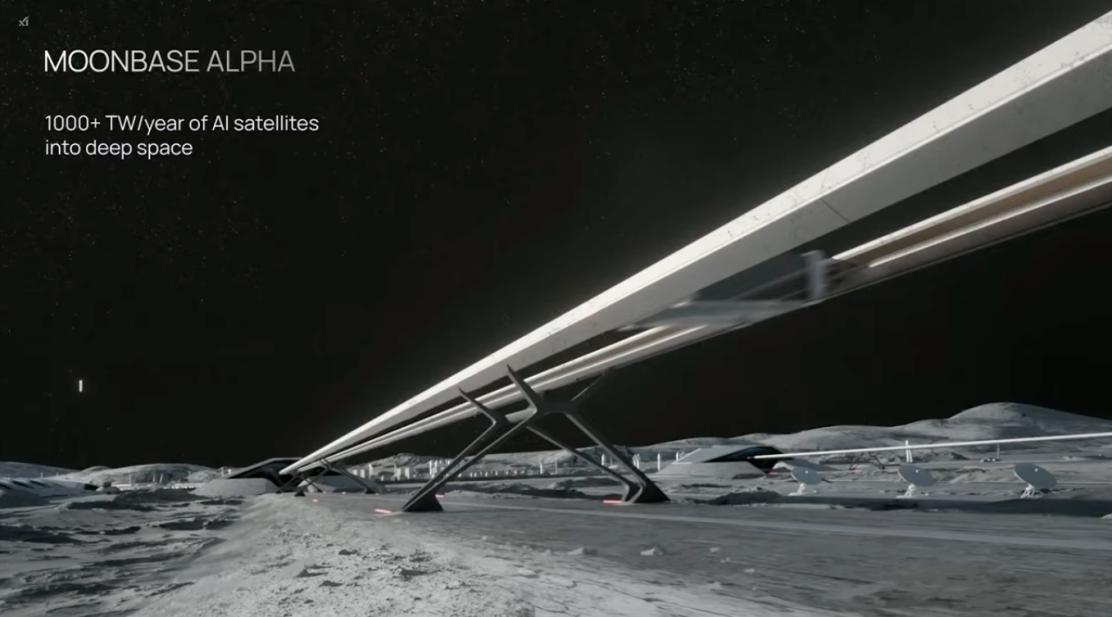
(nseta ihuenyo)
Mgbe etinyere ebe data orbital, Musk gara n'ihu: obodo nke ọnwa, na-ebupụta satịlaịtị AI n'ime oghere miri emi site na maglev. Nke a abụghị ihe efu - ọ na-ekwughachi akụkọ SpaceX's Mars, ugbu a na-ada ada na ihu ọma nke Kardashev Scale: iji ike kpakpando zụọ ọgụgụ isi karịa echiche efu.
Ihe nwude? Ọ dịghị onye kwụrụ maka Mars. Ọrụ Starship adalatala site na ịchịisi ruo na mmalite Starlink na nkwekọrịta ọnwa NASA. Isi ọnwa, kwa, dị anya site n'eziokwu. Mana ọ bụghị atụmatụ azụmaahịa - ọ bụ ọkwa nnabata. Dị ka otu xAI exec na-apụ apụ si kwuo ya: "Ụlọ nyocha AI ọ bụla na-ewu otu ihe. Ọ na-agwụ ike. "
Kọmputa nke sistemụ anyanwụ na ọnwa? Kpọọ ya ihe ị chọrọ. Ma ọ bụghị na-agwụ ike.
Roger Luo kwuru:Ka AI labs na-agbakọta na ịdị n'otu, Musk na-ebuga ohere nchịkwa ohere dị ka ma magnet talent na okwu nkwuwa okwu. Ọhụụ na-aghọ ọdịiche.
Akụkọ na foto niile sitere na ịntanetị. Ọ bụrụ na enwere nsogbu nwebiisinka, biko kpọtụrụ anyị n'oge ihichapụ.
Jụọ anyị ajụjụ