


Raws li cov ntaub ntawv tshiab tshaj plaws los ntawm AAA, lub teb chaws nruab nrab nqi rau cov roj av tsis tu ncua nyob rau hauv lub U.S.. tau nce mus rau $4.018 per gallon, officially crossing the $4 threshold. Prices at the pump have risen 35% since the war in Iran began last month.
With the Strait of Hormuz remaining closed to most vessels, the global oil supply
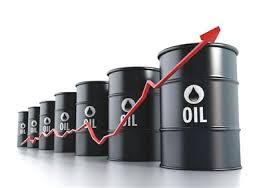
The chain has suffered a severe disruption. TheStraitt handles approximately 20% of the world’s oil supply, and the current situation offers little hope for near-term price relief.
Data shows that crude oil prices have surged above $100 per barrel over the past month, a spike that has now been passed directly to consumers. A month ago, regular gas averaged $2.98 per gallon; one year ago, it was $3.17.
Breaking down by fuel type, the national average currently stands at $4.541 for mid-grade gas, $4.904 for premium, thiab $5.454 for diesel. Regional disparities are significant: West Coast prices remain notably high, with California seeing regular gas at $5.887 per gallon, while Oklahoma has the cheapest gas in the nation at an average of $3.272 per gallon.
Saib rov qab, the last time average gas prices reached the $4 level was in 2022 following the outbreak of the Russia-Ukraine conflict. Current prices remain below the all-time high of $5.03 per gallon recorded in June 2022.
Public opinion shows a clear divide over who bears responsibility for the price surge. A Morning Consult poll conducted earlier this month found that 48% of Americans blame President Trump and his administration for the spike, while 16% point to oil and gas companies, 13% cite global market forces, thiab 11% attribute it to former President Biden.
Additionally, a Reuters/Ipsos poll indicates that 87% of respondents expect gas prices to continue rising as the war drags on, thiab 55% said that rising pump costs have “somewhat” impacted their overall household budget.