


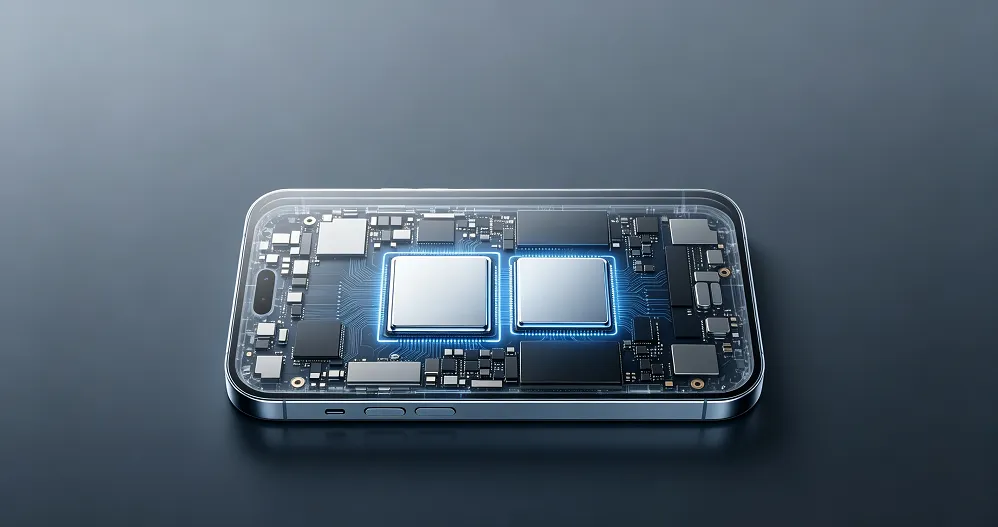
Dokumén anu bocor ti mitra manufaktur Apple Tata Electronics nunjukkeun yén Apple parantos nyiapkeun nganggo chip modem anu béda dina iPhone 18 Pro depending on where the device is sold. The information comes from a massive 630GB data breach following a ransomware attack on Tata, which assembles iPhones alongside Foxconn.
The Leak: What the Documents Reveal
According to the leaked bill of materials, AS. versions of the iPhone 18 Pro will continue using Qualcomm components, including the Snapdragon X80 5G modem and associated RF chips such as the SDR875, QDM8771, QDM8720, PMK75, PMX75, and QET7100A. International models, by contrast, are expected to ship with Apple’s in-house C2 modem, codenamed Ganymede.
Why Two Modems? The mmWave Problem
The primary reason appears to be mmWave 5G support. Apple’s current C1 and C1X modems do not support mmWave, and the leaked files suggest the C2 will also lack this capability. mmWave is the ultra-high-frequency 5G band used by U.S. carriers like Verizon and AT&T to deliver extremely fast download speeds over short distances. Since those carriers have invested heavily in mmWave infrastructure, they want flagship phones sold in the U.S. to support the technology.

Hardware Differences: Two Logic Boards, Two iPhones
The leaked schematics show Apple is using two different logic board designs. Board number 820-04340-06 includes mmWave connectors and Qualcomm components, while board 820-04305-06 uses the C2 modem and lacks mmWave hardware. This suggests a physical hardware split rather than a simple software configuration difference. A.S. model is physically different from the international version at the board level.
Kahirupan batré: A Potential Tradeoff for U.S. Users
This dual-modem strategy comes with potential tradeoffs. Apple’s in-house modems are widely regarded as more power efficient than Qualcomm’s solutions, meaning U.S. iPhone 18 Pro buyers could see somewhat worse battery life than those purchasing the same device elsewhere. Daring Fireball’s John Gruber argues that mmWave offers little practical benefit for most users, calling it simply a waste of battery life and suggesting the real driver is carrier bragging points rather than user experience.
eSIM for China and Other Upgrades
The leak also points to other iPhone 18 Pro upgrades, including a new Sony IMX905 primary camera sensor. The configuration list in the leaked files shows that from V64 P2 version onwards, there will be no support for dual physical SIMs, with the CN configuration indicating a combination of eSIM and physical SIM. This means the China market version is likely to introduce eSIM support for the first time on the iPhone 18 Pro.

Apple’s Long Road to Modem Independence
Apple has been working to reduce its reliance on Qualcomm since acquiring Intel’s modem business for $1 milyar dina 2019. The company’s first in-house C1 modem debuted on the iPhone 16e in early 2025 and has since appeared in the iPhone Air and iPhone 17e. Sanajan kitu, flagship models including the iPhone 17, 17 Pro, jeung 17 Pro Max still use Qualcomm chips. IPhone 18 Pro would represent a significant expansion of Apple’s modem strategy, even if it falls short of a complete transition away from Qualcomm.