


(Stad Numm) Verschécken – Globale Energiepräisser sinn um Mëttwoch staark geklommen no Berichter datt dem Iran seng Ueleg- an Äerdgasproduktiounsanlagen fir d'éischte Kéier am lafende Konflikt gezielt goufen. Dës Attacke markéieren eng bedeitend Eskalatioun an de Feindlechkeeten, déi virdru gréisstendeels dem Iran seng Energieinfrastruktur erspuert huet.
Laut Berichter, der cibléiert Siten abegraff South Pars Gas Terrain, de gréisste vun der Welt, déi tëscht dem Iran a Katar gedeelt gëtt, souwéi Ueleg a petrochemesch Ariichtungen an der Asaluyeh Regioun. Als Äntwert, Brent crude Futures, de globale Benchmark, sprangen esou vill wéi 5%, ukommen $109 fir barrel. US West Texas Zwëschen Bruttofutures eropgaang 2.5% zu $98 fir barrel. De Benchmark europäeschen Äerdgaspräis ass och eropgaang 7% op engem Punkt.
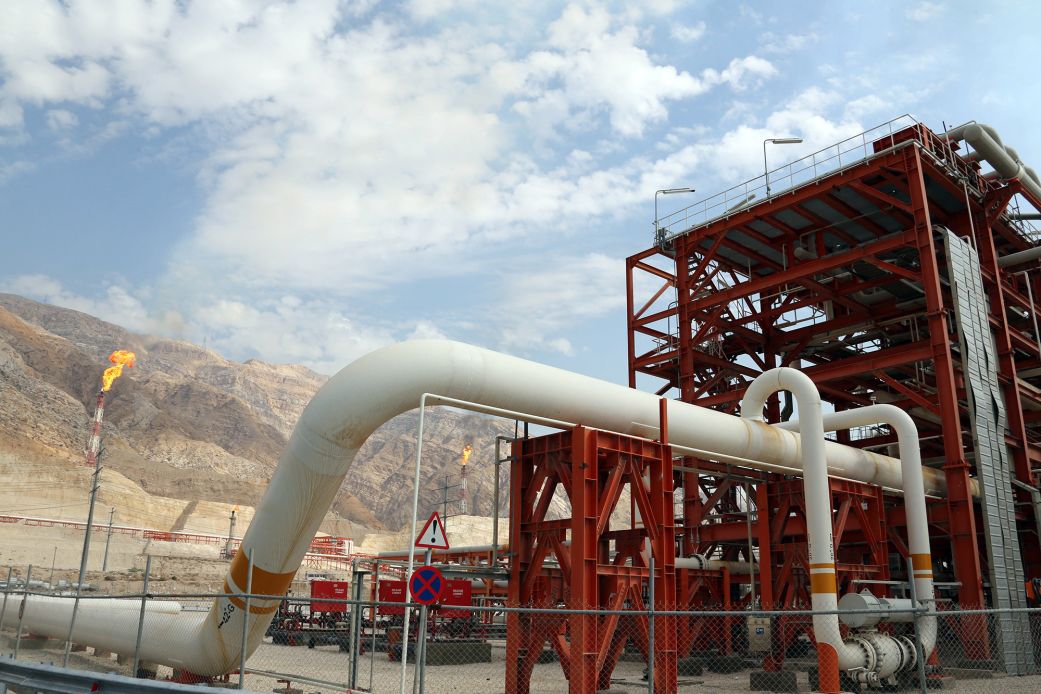
Warren Patterson, Head of Commodities Strategy bei ING, an engem Rapport festgestallt: “Energiemäert mussen de Risiko vun enger potenziell verlängerter Stéierung vum Ueleg- a Gasfloss duerch d'Strooss vun Hormuz astellen, mat nach keng Unzeeche vun De-eskalatioun oder d'Resumption vun Transits duerch dëse kriteschen Chokepoint.”
Zënter militäresch Aktiounen eskaléiert den 28. Februar, Rohpräisser sinn ëm ongeféier geklommen 40%. Brent crude sech op $103.42 um Dënschdeg, markéiert säin héchsten Niveau zënter dem Ausbrieche vum Konflikt. Et gëtt verbreet Maart Suergen datt Energieversuergung nach méi grouss Gefore wäert stellen wann d'Feindlechkeet weider geet.