


(Orukọ Ilu) Ifijiṣẹ – Awọn idiyele agbara agbaye pọ si ni kiakia ni ọjọ Wẹsidee lẹhin awọn ijabọ pe epo Iran ati awọn ohun elo iṣelọpọ gaasi adayeba ti ni ifọkansi fun igba akọkọ ninu rogbodiyan ti nlọ lọwọ.. Awọn ikọlu wọnyi samisi ilọsiwaju pataki ninu awọn ija, eyiti o ti da awọn amayederun agbara Iran silẹ ni iṣaaju.
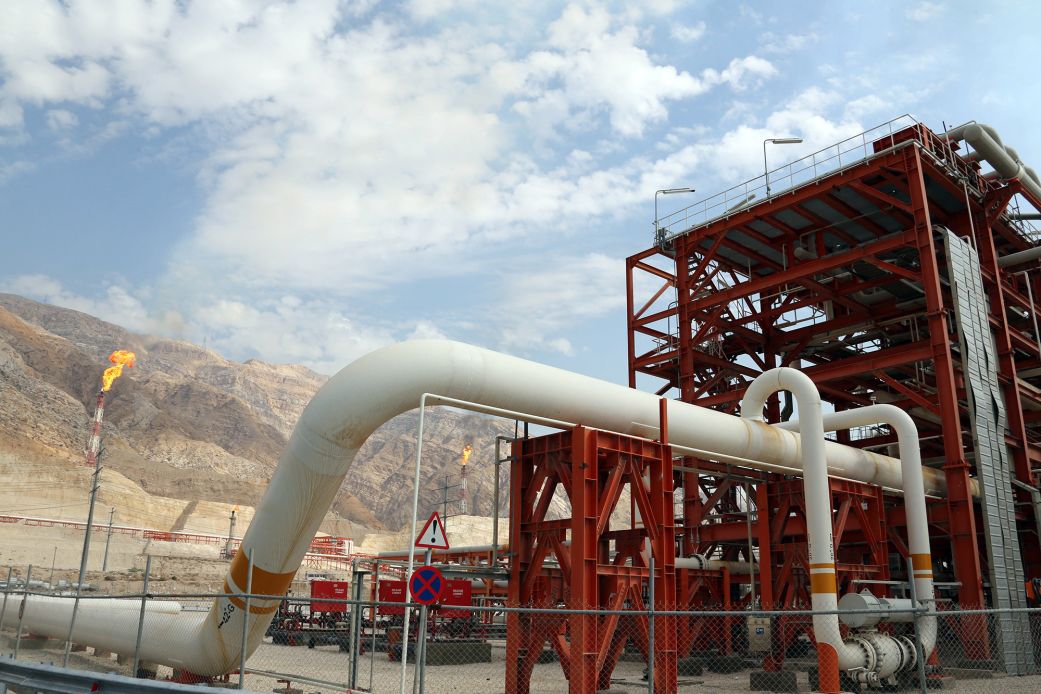
Ni ibamu si awọn iroyin, awọn aaye ti a fojusi pẹlu aaye gaasi South Pars, tobi julo ni agbaye, eyi ti o pin laarin Iran ati Qatar, bakannaa epo ati awọn ile-iṣẹ petrochemical ni agbegbe Asaluyeh. Ni idahun, Brent robi ojoiwaju, agbaye ala, fo bi Elo bi 5%, n sunmọ $109 fun agba. US West Texas Intermediate robi ojo iwaju dide 2.5% si $98 fun agba. Idiyele gaasi ara ilu Yuroopu tun pọ si 7% ni aaye kan.
Warren Patterson, Head of Commodities Strategy at ING, noted in a report: “Energy markets are having to price in the risk of a potentially prolonged disruption to oil and gas flows through the Strait of Hormuz, with no signs yet of de-escalation or the resumption of transits through this critical chokepoint.”
Since military actions escalated on February 28th, crude prices have risen by approximately 40%. Brent crude settled at $103.42 on Tuesday, marking its highest level since the outbreak of the conflict. There is widespread market concern that energy supplies will face even greater threats if the hostilities continue.