


(اسم المدينة) إرسال – Global energy prices surged sharply on Wednesday following reports that Iran’s oil and natural gas production facilities had been targeted for the first time in the ongoing conflict. These attacks mark a significant escalation in hostilities, which had previously largely spared Iran’s energy infrastructure.
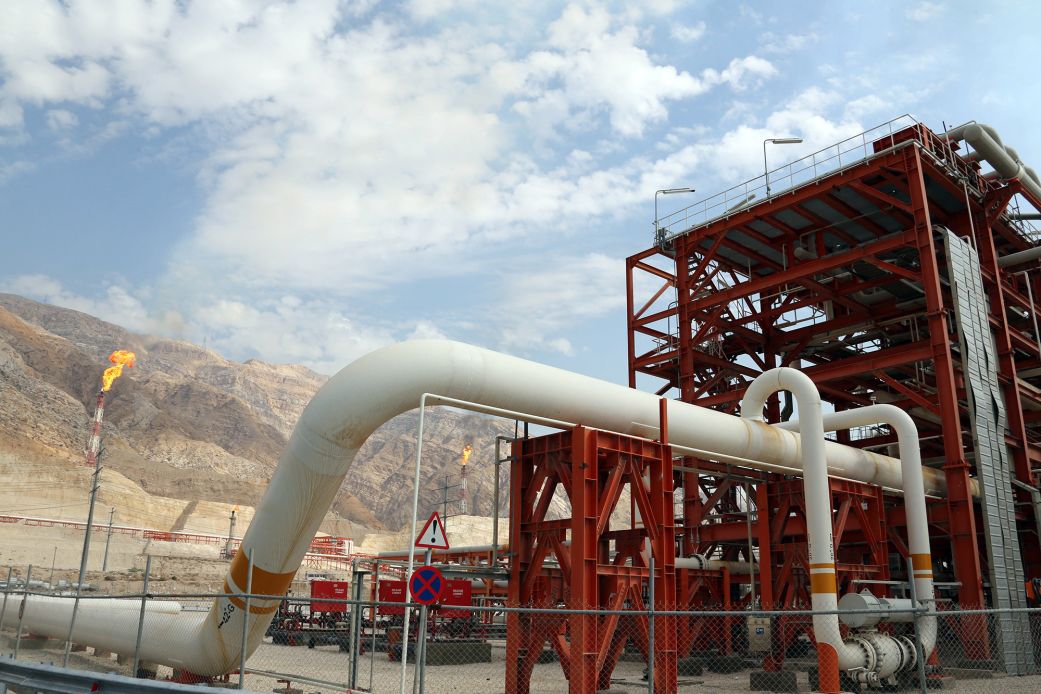
According to reports, the targeted sites included the South Pars gas field, the world’s largest, which is shared between Iran and Qatar, as well as oil and petrochemical facilities in the Asaluyeh region. In response, Brent crude futures, the global benchmark, jumped as much as 5%, approaching $109 per barrel. US West Texas Intermediate crude futures rose 2.5% ل $98 per barrel. The benchmark European natural gas price also spiked over 7% at one point.
وارن باترسون, رئيس استراتيجية السلع في ING, وأشار في تقرير: “يتعين على أسواق الطاقة أن تسعر مخاطر انقطاع طويل الأمد لتدفقات النفط والغاز عبر مضيق هرمز, مع عدم وجود أي علامات حتى الآن على تراجع التصعيد أو استئناف العبور عبر هذا المضيق الحرج.”
منذ تصاعد الأعمال العسكرية في 28 فبراير/شباط, ارتفعت أسعار النفط الخام بنحو 40%. واستقر خام برنت عند $103.42 يوم الثلاثاء, وهو أعلى مستوى له منذ اندلاع الصراع. وهناك قلق واسع النطاق في السوق من أن إمدادات الطاقة ستواجه تهديدات أكبر إذا استمرت الأعمال العدائية.