


1. ຫຼັກການຜະລິດຕະພັນແລະລັກສະນະໂຄງສ້າງ
1.1 ເຄມີ Crystal ແລະ Polymorphism
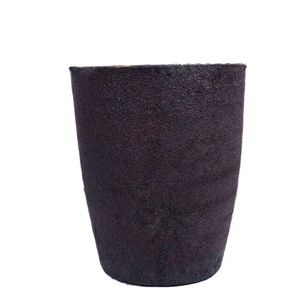
(Silicon Carbide Crucibles)
ຊິລິໂຄນຄາໄບ (SiC) ເປັນເຊລາມິກ covalent ປະກອບດ້ວຍອະຕອມຂອງຊິລິໂຄນ ແລະຄາບອນທີ່ຕັ້ງຢູ່ໃນເສັ້ນລວດ tetrahedral., ການພັດທະນາໃນບັນດາຫນຶ່ງຂອງອຸປະກອນທີ່ທົນທານຄວາມຮ້ອນແລະທາງເຄມີທີ່ເຂົ້າໃຈ.
ມັນມີຢູ່ໃນຫຼາຍກວ່າ 250 ປະເພດ polytypic, ກັບ 3C (ກ້ອນ), 4ຮ, ແລະໂຄງສ້າງ hexagonal 6H ແມ່ນເຫມາະສົມທີ່ສຸດສໍາລັບຄໍາຮ້ອງສະຫມັກທີ່ມີອຸນຫະພູມສູງ.
ທີ່ເຂັ້ມແຂງ Si– ພັນທະບັດ C, ດ້ວຍອຳນາດພັນທະບັດທີ່ເກີນກວ່າ 300 kJ/mol, ໃຫ້ຄວາມຫມັ້ນຄົງພິເສດ, ການນໍາຄວາມຮ້ອນ, ແລະການຕໍ່ຕ້ານການຊ໊ອກຄວາມຮ້ອນແລະການໂຈມຕີສານເຄມີ.
ໃນຄໍາຮ້ອງສະຫມັກ crucible, SiC ທີ່ຖືກໄຟໄຫມ້ຫຼືປະຕິກິລິຍາຜູກມັດແມ່ນຖືກເລືອກຍ້ອນຄວາມສາມາດໃນການຮັກສາຄວາມຫມັ້ນຄົງຂອງຖາປັດຕະຍະພາຍໃຕ້ການ gradients ຄວາມຮ້ອນທີ່ຮຸນແຮງແລະບັນຍາກາດ molten ທໍາລາຍ..
ບໍ່ເຫມືອນກັບ oxide ceramics, SiC ບໍ່ໄດ້ເຮັດການຫັນປ່ຽນໄລຍະທີ່ລົບກວນຫຼາຍເທົ່າກັບປັດໄຈ sublimation ຂອງມັນ (~ 2700 °C), ເຮັດໃຫ້ມັນເຫມາະສົມສໍາລັບຂັ້ນຕອນແບບຍືນຍົງຂ້າງເທິງ 1600 °C.
1.2 ປະສິດທິພາບຄວາມຮ້ອນແລະກົນຈັກ
ລັກສະນະນິຍາມຂອງ SiC crucibles ແມ່ນການນໍາຄວາມຮ້ອນສູງຂອງພວກເຂົາ– ຕັ້ງແຕ່ 80 ກັບ 120 W/(m · K)– ເຊິ່ງໂຄສະນາການໄຫຼວຽນຂອງຄວາມອົບອຸ່ນທີ່ເປັນເອກະພາບແລະຫຼຸດຜ່ອນຄວາມກັງວົນດ້ານຄວາມຮ້ອນຕະຫຼອດການໃຫ້ຄວາມຮ້ອນຢ່າງໄວວາຫຼືເຄື່ອງປັບອາກາດ.
ຊັບສິນທີ່ຢູ່ອາໄສນີ້ກົງກັນຂ້າມຢ່າງຫຼວງຫຼາຍກັບ porcelains ຕ່ໍາ conductivity ເຊັ່ນ alumina (≈ 30 W/(m · K)), ເຊິ່ງມີຄວາມສ່ຽງຕໍ່ການແຕກຫັກພາຍໃຕ້ການຊ໊ອກຄວາມຮ້ອນ.
SiC ຍັງສະແດງຄວາມເຂັ້ມແຂງກົນຈັກພິເສດໃນລະດັບອຸນຫະພູມສູງ, ການເກັບຮັກສາຫຼາຍກວ່າ 80% ຄວາມເຄັ່ງຄັດ flexural ອຸນຫະພູມຫ້ອງ (ຫຼາຍເທົ່າທີ່ 400 MPa) ເຖິງແມ່ນວ່າຢູ່ 1400 °C.
ຕົວຄູນການຂະຫຍາຍຄວາມຮ້ອນຂອງມັນຫຼຸດລົງ (~ 4.0 × 10 ⁻⁶/ກ) ເພີ່ມຄວາມຕ້ານທານຕໍ່ການຊ໊ອກຄວາມຮ້ອນ, ສິ່ງສໍາຄັນແມ່ນພິຈາລະນາການຖີບລົດຊ້ຳໆໃນລະຫວ່າງລະດັບອຸນຫະພູມສະພາບແວດລ້ອມ ແລະການເຮັດວຽກ.
ນອກຈາກນັ້ນ, SiC ສະແດງໃຫ້ເຫັນຄວາມທົນທານຕໍ່ການສວມໃສ່ແລະຄວາມທົນທານຕໍ່ການກັດກ່ອນ, ໃຫ້ແນ່ໃຈວ່າມີຊີວິດການບໍລິການທີ່ຍາວນານໃນບັນຍາກາດທີ່ປະກອບດ້ວຍການຈັດການກົນຈັກຫຼືການໄຫຼວຽນຂອງລົມພາຍຸ.
2. ວິທີການຜະລິດແລະການຄວບຄຸມຈຸລະພາກ
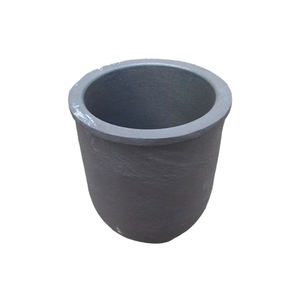
( Silicon Carbide Crucibles)
2.1 ວິທີການ Sintering ແລະວິທີການຄວາມຫນາແຫນ້ນ
SiC crucibles ອຸດສາຫະກໍາແມ່ນຜະລິດຕົ້ນຕໍໂດຍຜ່ານການ sintering ທີ່ບໍ່ມີຄວາມກົດດັນ, ຄວາມຜູກພັນການຕອບໂຕ້, ຫຼືກົດຮ້ອນ, ແຕ່ລະສະເຫນີຂໍ້ໄດ້ປຽບທີ່ເປັນເອກະລັກໃນຄ່າໃຊ້ຈ່າຍ, ຄວາມບໍລິສຸດ, ແລະການປະຕິບັດ.
ການ sintering ທີ່ບໍ່ມີຄວາມກົດດັນປະກອບດ້ວຍການຫນາແຫນ້ນຂອງຝຸ່ນ SiC ທີ່ຍິ່ງໃຫຍ່ດ້ວຍການຊ່ວຍເຫຼືອ sintering ເຊັ່ນ boron ແລະຄາບອນ., ປະຕິບັດຕາມການປິ່ນປົວດ້ວຍອຸນຫະພູມສູງ (2000– 2200 °C )ໃນບັນຍາກາດ inert ເພື່ອບັນລຸຄວາມຫນາແຫນ້ນທາງທິດສະດີໃກ້ໆ.
ເຕັກນິກນີ້ໃຫ້ຄວາມບໍລິສຸດສູງ, crucibles ທີ່ມີຄວາມເຂັ້ມແຂງສູງທີ່ເຫມາະສົມສໍາລັບ semiconductor ແລະຄວາມຄືບຫນ້າຂອງການຈັດການໂລຫະປະສົມ.
SiC ຜູກມັດປະຕິກິລິຍາ (RBSC) ຖືກສ້າງຂື້ນໂດຍການເຈາະ preform ກາກບອນ porous ກັບຊິລິຄອນ molten, ເຊິ່ງປະຕິກິລິຍາເພື່ອສ້າງການນັ່ງ β-SiC, ສົ່ງຜົນໃຫ້ສານປະກອບຂອງ SiC ແລະຊິລິຄອນເກີດຂຶ້ນຊ້ຳ.
ໃນຂະນະທີ່ການນໍາຄວາມຮ້ອນຫຼຸດລົງເລັກນ້ອຍເນື່ອງຈາກການເພີ່ມຊິລິຄອນໂລຫະ, RBSC ສະຫນອງຄວາມຫມັ້ນຄົງມິຕິລະດັບທີ່ດີເລີດແລະລາຄາການຜະລິດຕ່ໍາ, ເຮັດໃຫ້ມັນໂດດເດັ່ນສໍາລັບການນໍາໃຊ້ທາງການຄ້າຂະຫນາດໃຫຍ່.
SiC ຮ້ອນ, ເຖິງແມ່ນວ່າລາຄາແພງກວ່າ, ໃຫ້ຄວາມຫນາແລະຄວາມບໍລິສຸດທີ່ຍິ່ງໃຫຍ່ທີ່ສຸດ, ສະຫງວນໄວ້ສໍາລັບຄໍາຮ້ອງສະຫມັກທີ່ຕ້ອງການພິເສດເຊັ່ນການພັດທະນາໄປເຊຍກັນດຽວ.
2.2 ພື້ນຜິວທີ່ມີຄຸນນະພາບສູງແລະຄວາມແມ່ນຍໍາທາງເລຂາຄະນິດ
ເຄື່ອງຈັກຫລັງການ sintering, ປະກອບດ້ວຍການຂັດແລະການລ້າງ, ຮັບປະກັນຄວາມຕ້ານທານມິຕິສະເພາະແລະພື້ນຜິວພາຍໃນທີ່ລຽບງ່າຍທີ່ຫຼຸດຜ່ອນເວັບໄຊທ໌ nucleation ແລະຫຼຸດຜ່ອນອັນຕະລາຍຂອງການປົນເປື້ອນ.
ຄວາມຫຍາບຂອງພື້ນຜິວໄດ້ຖືກຄຸ້ມຄອງຢ່າງລະມັດລະວັງເພື່ອຢຸດການຕິດຂັດແລະສ້າງຄວາມສະດວກໃນການປ່ອຍຜະລິດຕະພັນທີ່ມີຄວາມເຂັ້ມແຂງໄດ້ງ່າຍ.
ເລຂາຄະນິດ Crucible– ເຊັ່ນ: ຄວາມຫນາຂອງພື້ນຜິວຂອງຝາ, ມຸມ taper, ແລະຄວາມໂຄ້ງຕ່ໍາ– ຖືກປັບປຸງເພື່ອດຸ່ນດ່ຽງມະຫາຊົນຄວາມຮ້ອນ, ຄວາມທົນທານຂອງໂຄງສ້າງ, ແລະຄວາມເຂົ້າກັນໄດ້ກັບເຄື່ອງເຮັດຄວາມຮ້ອນ.
ການອອກແບບທີ່ປັບແຕ່ງຮອງຮັບປະລິມານ thaw ທີ່ແນ່ນອນ, ໂປຼໄຟລ໌ຄວາມຮ້ອນ, ແລະຄວາມອ່ອນໄຫວຂອງວັດສະດຸ, ຮັບປະກັນປະສິດທິພາບທີ່ດີທີ່ສຸດໃນທົ່ວຂະບວນການອຸດສາຫະກໍາທີ່ຫຼາກຫຼາຍ.
ການຄວບຄຸມຄຸນນະພາບຂັ້ນສູງ, ລວມທັງ X-ray diffraction, ການສະແກນກ້ອງຈຸລະທັດເອເລັກໂຕຣນິກ, ແລະການກວດ ultrasonic, ກວດສອບຄວາມເປັນເອກະພາບຂອງໂຄງສ້າງຈຸລະພາກ ແລະການຂາດບັນຫາເຊັ່ນ: ຮູຂຸມຂົນ ຫຼືການແຕກ.
3. ຄວາມຕ້ານທານທາງເຄມີແລະປະຕິສໍາພັນກັບການລະລາຍ
3.1 Inertness ໃນສະພາບແວດລ້ອມທີ່ຮຸກຮານ
SiC crucibles ສະແດງໃຫ້ເຫັນຄວາມທົນທານຕໍ່ການໂຈມຕີທາງເຄມີໂດຍເຫຼັກ molten, ປະເພດ, ແລະເກືອທີ່ບໍ່ແມ່ນ oxidizing, ເກີນ graphite ແລະ oxide ceramics ທໍາມະດາ.
ພວກເຂົາເຈົ້າມີຄວາມຫມັ້ນຄົງໃນການຕິດຕໍ່ກັບອາລູມິນຽມ molten, ທອງແດງ, ເງິນ, ແລະໂລຫະປະສົມຂອງເຂົາເຈົ້າ, ຕ້ານການປຽກແລະການລະລາຍເປັນຜົນມາຈາກພະລັງງານ interfacial ຕ່ໍາແລະການສ້າງຕັ້ງຂອງ oxides ປ້ອງກັນ..
ໃນການຈັດການ silicon ແລະ germanium ສໍາລັບ photovoltaics ແລະ semiconductors, SiC crucibles ປ້ອງກັນການປົນເປື້ອນຂອງໂລຫະທີ່ສາມາດເຮັດໃຫ້ຄຸນສົມບັດທີ່ຢູ່ອາໄສດິຈິຕອນອ່ອນແອລົງ.
ແນວໃດກໍ່ຕາມ, ພາຍໃຕ້ເງື່ອນໄຂ oxidizing ທີ່ສຸດຫຼືຢູ່ໃນການເບິ່ງເຫັນຂອງການປ່ຽນແປງທີ່ເປັນດ່າງ, SiC ສາມາດ oxidize ເພື່ອພັດທະນາຊິລິກາ (SiO ₂), ເຊິ່ງອາດຈະຕອບສະຫນອງຫຼາຍກວ່າເກົ່າເພື່ອສ້າງເປັນ silicates ຈຸດລະລາຍຕ່ໍາ.
ສໍາລັບເຫດຜົນນັ້ນ, SiC ຖືກຈັບຄູ່ທີ່ດີທີ່ສຸດສໍາລັບສະພາບແວດລ້ອມທີ່ເປັນກາງຫຼືຫຼຸດຜ່ອນ, ບ່ອນທີ່ສະຖຽນລະພາບຂອງມັນແມ່ນສູງສຸດ.
3.2 ຂໍ້ຈໍາກັດແລະຄວາມເຂົ້າກັນໄດ້ພິຈາລະນາ
ເຖິງວ່າຈະມີຄວາມເຄັ່ງຄັດຂອງມັນ, SiC ບໍ່ແມ່ນ inert ທົ່ວໄປ; ມັນ reacts ກັບຜະລິດຕະພັນ molten ສະເພາະໃດຫນຶ່ງ, ໂດຍສະເພາະໂລຫະກຸ່ມທາດເຫຼັກ (ເຟ, ໃນ, Co) ຢູ່ໃນອຸນຫະພູມສູງທີ່ມີຂະບວນການ carburization ແລະການລະລາຍ.
ໃນການປຸງແຕ່ງເຫຼັກກ້າ, SiC crucibles deteriorates ຢ່າງໄວວາແລະແມ່ນສໍາລັບເຫດຜົນດັ່ງກ່າວຫຼີກເວັ້ນ.
ໃນທາງທີ່ຄ້າຍຄືກັນ, antacids ແລະເຫຼັກໂລກເປັນດ່າງ (ຕົວຢ່າງ:, ລີ, ແລ້ວ, ຄາ) ສາມາດຫຼຸດຜ່ອນ SiC, ການເປີດຕົວຄາບອນແລະການສ້າງ silicides, ຈໍາກັດການນໍາໃຊ້ຂອງເຂົາເຈົ້າໃນການສັງເຄາະວັດສະດຸຫມໍ້ໄຟຫຼືການຫລໍ່ເຫລໍກ reactive.
ສໍາລັບແກ້ວ liquified ແລະ ceramics, ປົກກະຕິແລ້ວ SiC ແມ່ນເຂົ້າກັນໄດ້ຢ່າງໃດກໍຕາມອາດຈະນໍາສະເຫນີຊິລິໂຄນຕາມຮອຍທີ່ຖືກຕ້ອງເຂົ້າໄປໃນແວ່ນຕາ optical ຫຼືເອເລັກໂຕຣນິກທີ່ລະອຽດອ່ອນທີ່ສຸດ.
ການຮັບຮູ້ປະຕິສໍາພັນຂອງວັດສະດຸສະເພາະເຫຼົ່ານີ້ແມ່ນມີຄວາມຈໍາເປັນສໍາລັບການເລືອກປະເພດ crucible ທີ່ເຫມາະສົມແລະການຮັບປະກັນຂະບວນການບໍລິສຸດແລະຄວາມທົນທານຂອງ crucible..
4. ການນໍາໃຊ້ອຸດສາຫະກໍາແລະວິວັດການເຕັກໂນໂລຊີ
4.1 ໂລຫະ, ເຊມິຄອນດັກເຕີ, ແລະຂະແໜງພະລັງງານທົດແທນ
SiC crucibles ມີຄວາມສໍາຄັນໃນການຜະລິດຂອງ multicrystalline ແລະ monocrystalline silicon ingots ສໍາລັບຫມໍ້ໄຟແສງຕາເວັນ., ບ່ອນທີ່ເຂົາເຈົ້າຢືນເຖິງການສໍາຜັດໂດຍກົງ prolonged ກັບ silicon molten ຢູ່ ~ 1420 °C.
ຄວາມປອດໄພດ້ານຄວາມຮ້ອນຂອງເຂົາເຈົ້າເຮັດໃຫ້ຄວາມຫນາແຫນ້ນເປັນເອກະພາບທີ່ແນ່ນອນແລະຫຼຸດຜ່ອນຄວາມຫນາແຫນ້ນ dislocation, ມີອິດທິພົນຕໍ່ປະສິດທິພາບແສງຕາເວັນ.
ໃນໂຮງງານ, SiC crucibles ຖືກນໍາໃຊ້ສໍາລັບການລະລາຍໂລຫະທີ່ບໍ່ແມ່ນທາດເຫຼັກເຊັ່ນອາລູມິນຽມແລະທອງເຫຼືອງ, ການສະຫນອງໄລຍະເວລາຊີວິດທີ່ຍາວກວ່າແລະການພັດທະນາ dross ຫຼຸດລົງກົງກັນຂ້າມກັບທາງເລືອກ clay-graphite.
ພວກມັນຖືກ ນຳ ໃຊ້ໃນຫ້ອງທົດລອງທີ່ມີອຸນຫະພູມສູງ ສຳ ລັບການປະເມີນຜົນຂອງ thermogravimetric, calorimetry ການສະແກນຄວາມແຕກຕ່າງ, ແລະການສັງເຄາະຂອງ porcelains sophisticated ແລະທາດປະສົມ intermetallic.
4.2 Fads ໃນອະນາຄົດແລະການຜະສົມຜະສານຜະລິດຕະພັນຂັ້ນສູງ
ຄໍາຮ້ອງສະຫມັກທີ່ພົ້ນເດັ່ນຂື້ນປະກອບດ້ວຍການນໍາໃຊ້ SiC crucibles ໃນການກວດກາຜະລິດຕະພັນນິວເຄລຍລຸ້ນຕໍ່ໄປແລະເຕົາປະຕິກອນເກືອ molten., ບ່ອນທີ່ຄວາມຕ້ານທານຂອງພວກມັນຕໍ່ລັງສີແລະ fluorides molten ແມ່ນໄດ້ຖືກປະເມີນ.
ການເຄືອບເຊັ່ນ pyrolytic boron nitride (PBN) ຫຼື yttria (Y TWO O ₃) ກໍາລັງຖືກນໍາໄປໃຊ້ກັບພື້ນຜິວ SiC ເພື່ອເພີ່ມຄວາມເຂັ້ມຂົ້ນຂອງສານເຄມີແລະຢຸດການແຜ່ກະຈາຍຂອງຊິລິໂຄນໃນຂັ້ນຕອນທີ່ມີຄວາມບໍລິສຸດສູງ..
ການຜະລິດເພີ່ມເຕີມຂອງອົງປະກອບ SiC ເຮັດໃຫ້ການນໍາໃຊ້ binder jetting ຫຼື stereolithography ແມ່ນຢູ່ພາຍໃຕ້ການພັດທະນາ, ເລຂາຄະນິດຂອງສິ່ງອໍານວຍຄວາມສະດວກທີ່ດຶງດູດ ແລະການສ້າງແບບຢ່າງໄວສໍາລັບການອອກແບບ crucible ພິເສດ.
ຕາມຄວາມຕ້ອງການຈະເລີນເຕີບໂຕສໍາລັບການປະຫຍັດພະລັງງານ, ຍາວນານ, ແລະການຈັດການອຸນຫະພູມສູງທີ່ບໍ່ມີການປົນເປື້ອນ, crucibles silicon carbide ແນ່ນອນວ່າຈະຍັງຄົງເປັນພື້ນຖານເຕັກໂນໂລຊີທີ່ທັນສະໄຫມໃນການຜະລິດຜະລິດຕະພັນກ້າວຫນ້າທາງດ້ານ.
ສະຫຼຸບ, silicon carbide crucibles ເປັນຕົວແທນຂອງອົງປະກອບທີ່ສໍາຄັນໃນຂະບວນການອຸດສາຫະກໍາແລະທາງດ້ານການຊ່ວຍອຸນຫະພູມສູງ..
ການປະສົມປະສານທີ່ບໍ່ເທົ່າທຽມກັນຂອງຄວາມຫມັ້ນຄົງຂອງຄວາມຮ້ອນຂອງພວກເຂົາ, ຄວາມທົນທານຂອງກົນຈັກ, ແລະການຕໍ່ຕ້ານສານເຄມີເຮັດໃຫ້ພວກເຂົາເປັນອຸປະກອນທາງເລືອກສໍາລັບຄໍາຮ້ອງສະຫມັກທີ່ປະສິດທິພາບແລະຄວາມຫນ້າເຊື່ອຖືແມ່ນສໍາຄັນ.
5. ຜູ້ໃຫ້ບໍລິການ
Advanced Ceramics ສ້າງຕັ້ງຂຶ້ນໃນເດືອນຕຸລາ 17, 2012, ເປັນວິສາຫະກິດເຕັກໂນໂລຊີສູງໃຫ້ຄໍາຫມັ້ນສັນຍາການຄົ້ນຄວ້າແລະການພັດທະນາ, ການຜະລິດ, ການປຸງແຕ່ງ, ການຂາຍແລະການບໍລິການດ້ານວິຊາການຂອງວັດສະດຸແລະຜະລິດຕະພັນທີ່ກ່ຽວຂ້ອງ ceramic. ຜະລິດຕະພັນຂອງພວກເຮົາປະກອບມີແຕ່ບໍ່ຈໍາກັດຜະລິດຕະພັນເຊລາມິກ Boron Carbide, ຜະລິດຕະພັນເຊລາມິກ Boron Nitride, ຜະລິດຕະພັນເຊລາມິກ Silicon Carbide, ຜະລິດຕະພັນເຊລາມິກ Silicon Nitride, Zirconium Dioxide ຜະລິດຕະພັນເຊລາມິກ, ແລະອື່ນໆ. ຖ້າເຈົ້າສົນໃຈ, ກະລຸນາຮູ້ສຶກວ່າບໍ່ເສຍຄ່າເພື່ອຕິດຕໍ່ພວກເຮົາ.
ປ້າຍກຳກັບ: Silicon Carbide Crucibles, Silicon Carbide Ceramic, Silicon Carbide Ceramic Crucibles
ບົດຄວາມ ແລະຮູບພາບທັງໝົດແມ່ນມາຈາກອິນເຕີເນັດ. ຖ້າມີບັນຫາລິຂະສິດ, ກະລຸນາຕິດຕໍ່ພວກເຮົາໃນເວລາລຶບ.
ສອບຖາມພວກເຮົາ