


Waymo anunció nu'bya da oficialmente xi ndu̲i bí probar yá vehículos autónomos jar carreteras públicas jar Londres, marcar 'nar bi thogi crítico nu'bu lanzar 'nar hontho robotaxi yá 'ma jar capital británica mäs ya'bu̲ nuna ar je̲ya.
Ar empresa propiedad ar Alphabet xi 'ma̲i mpe̲fi xkagentho nu'bu nuna t'olo ora Nxoge ya zänä. Jar Otubre, Waymo reveló yá nt'ot'e pa ndi ndu̲i ndi da t'ot'e ja ya carreteras públicas Londres. 'Me̲fa 'nar fase inicial ar conducción manual pa 'nar mapa jar Dähnini, ya pruebas nu'bya xi ñut'i jar fase autónoma. Jar nuna etapa, approximately 100 vehículos totalmente eléctricos Jaguar I-Pace equipados ko ya conducción autónoma quinta generación ar Waymo gi 'bu̲hu̲ participando ja ya pruebas, kadu 'na ko 'nar operador ntsuni humano jár xu̲tha ar rueda. Ar ntsa̲ cubre 'nar área aproximadamente 100 millas cuadradas a través del made ar Londres.
Waymo declarado: “Ar Ts'ut'ubi 'me̲t'o da finalizar yá regulaciones programa ensayo Ante podemos operar completamente autónomo. We will work closely with regulators to ensure that our service reaches as many Londoners as possible.”
Dmitri Dolgov, Co-CEO of Waymo, wrote on LinkedIn that the company’s core driving AI demonstrates strong generalization capabilities. “Autonomous testing is now underway with specialists behind the wheel as we master local nuances and validate performance on UK roads — a key step toward rider-only deployment,” he said.
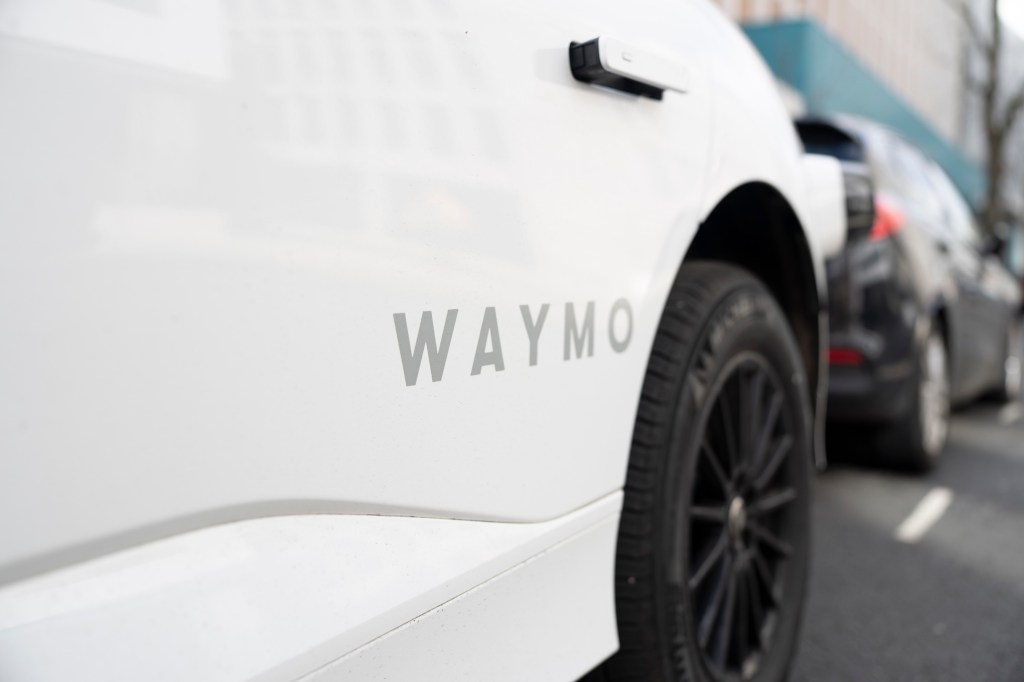
To support its business expansion, Waymo is actively hiring locally and plans to establish multiple autonomous vehicle service centers across London. The company is also working with local emergency services as it builds the foundation to expand its business in Europe.
Following Waymo’s typical deployment strategy, the company will eventually conduct driverless testing and allow its own employees to try the service before opening it to the public. Its plan to launch the service in 2026 ultimately depends on the UK government finalizing its approval process for such operations.
Notablemente, Waymo already has ties to the UK: En 2019, the company acquired Latent Logic, a UK startup spun out of Oxford University’s computer science department that uses a form of machine learning called imitation learning to make self-driving car simulation more realistic. Waymo launched an engineering hub in Oxford as part of the acquisition.
Waymo currently has more than 3,000 robotaxis in its global fleet, with commercial operations spanning 11 cities including Atlanta, Austin, Los Angeles, Phoenix, and the San Francisco Bay Area. London is poised to become Waymo’s first international commercial market (the company is also testing in Tokyo). Notablemente, in London, Waymo will face competition from local autonomous driving technology startup Wayve and Uber, both of which also plan to launch fully driverless taxi services in the city.