


Jiya, Aikin Artemis II ya kammala tashi sama da watanni, tare da kumbon Orion ya shigo ciki kawai 4,067 mil daga saman lunar. A lokacin da suke wucewa ta gefen wata mai nisa, 'yan sama jannatin guda hudu sun kai iyakar tazara 252,756 mil daga Duniya, karya tarihin da aka yi na rabin karni na nisa mafi nisa na jirgin saman dan Adam da Apollo ya kafa 13.
A lokacin tashi sama na awa bakwai, 'yan sama jannatin sun shaida ra'ayoyin da ba a gani a baya na gefen wata, tare da kusan 21% na wannan yanki mai ban mamaki da Rana ta haskaka ta ta fuskarsu. An katse hanyoyin sadarwa kusan 40 mintuna kamar yadda Orion ya wuce bayan wata, kuma ma'aikatan jirgin sun kuma lura da abin mamaki “Tsarin Duniya.”
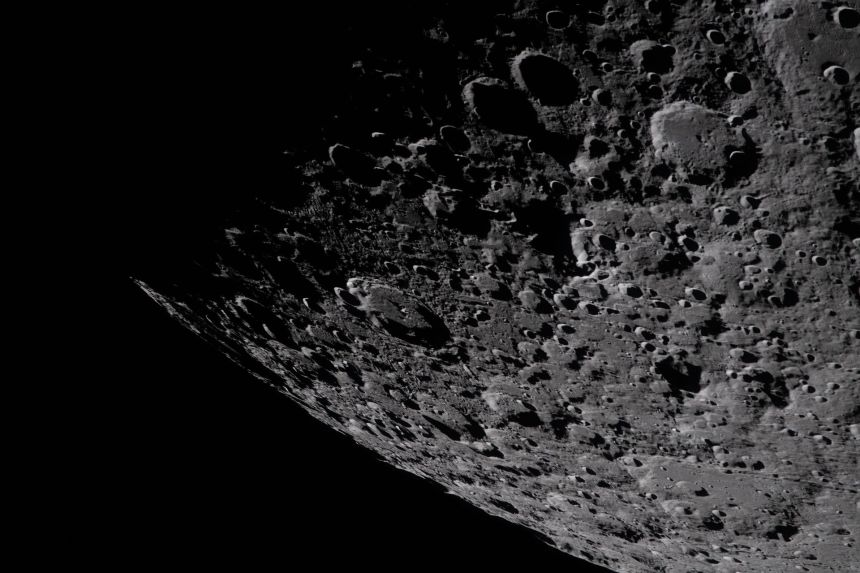
'Yan sama jannati NASA Reid Wiseman, Victor Glover, Christina Koch, kuma dan sama jannati na Hukumar Sararin Samaniya ta Kanada Jeremy Hansen ya yi aiki a cikin sa'o'i biyu kusan sa'o'i biyar, shan kusan 10,000 hotuna. Sun gano mahimman fasalulluka na ƙasa, ciki har da Hertzsprung Basin da Orientale Basin, kuma ya ambaci sunayen ƙananan ramuka guda biyu “Mutunci” kuma “Carroll” - na karshen don girmama marigayiyar Wiseman. 'Yan sama jannatin guda hudu sun rungume tare da zubar da hawaye yayin da aka yi shiru na dan lokaci a cikin Ofishin Jakadancin na Houston.
Daga baya a cikin tashi, Ma'aikatan jirgin sun fuskanci kusufin rana wanda ya dauki kusan sa'a guda - fiye da 'yan mintoci na yau da kullun irin wannan kusufin ya wuce a duniya.. Sun shaida masu rafi a cikin hasken rana kuma sun lura da taurari ciki har da Mars, Venus, da Saturn, da kuma ra'ayoyi masu ban sha'awa na Milky Way.
Tarin hotuna masu yawa da aka ɗauka a lokacin wannan manufa za su ba da haske mai mahimmanci game da asalin wata da kuma kafa harsashin ayyukan ayyukan duniyar wata a nan gaba.. Kwamanda Reid Wiseman ya ce, “Wannan shi ne abin da ya fi dacewa idan muka taru kuma muka yi aiki tare.” Jami'in Kimiyya Dr. Kelsey Young ya kara da cewa, “Lallai kun kusantar da Wata a yau.”