


Diadegake bareng Max Brodeur-Urbas ing pertengahan 2023, Tujuan asli Gumloop yaiku supaya karyawan non-teknis bisa ngotomatisasi tugas sing bola-bali karo AI. Nalika iku, Agen AI isih eksperimen. Minangka teknologi wis diwasa, Gumloop saiki mbantu tim ing perusahaan kaya Shopify masang agen AI sing dipercaya kanggo nangani tugas rumit tanpa insinyur.
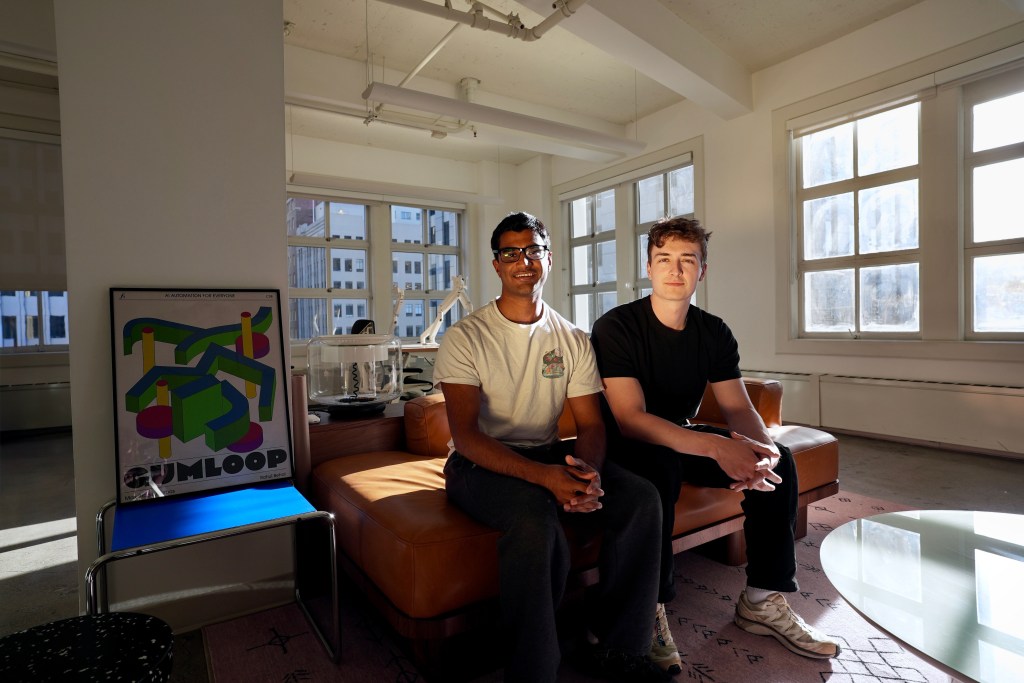
Karyawan bisa nuduhake agen sing dibangun, nggawe efek compounding sing nyepetake otomatisasi internal. “Padha ketagihan, miwiti mbangun luwih akeh agen, lan dumadakan kabeh perusahaan dadi AI-native,” Brodeur-Urbas ngandika.
Ndeleng potensial iki, Everett Randle, sing mentas melu Benchmark saka Kleiner Perkins, mimpin Gumloop $50 yuta Seri B. Senajan ora aktif penggalangan dana, panjaluk perusahaan surging dijaluk Gumloop kanggo “nge gas.” Kemitraan karo Benchmark yaiku a “ora-brainer,” pangadeg nyatet. Nalika dheweke asline ngrancang “mbangun perusahaan milyar dolar karo mung 10 wong,” dheweke saiki kudu nggedhekake tim sales lan engineering.
Gumloop ngadhepi kompetisi kaku saka pemain kaya Zapier lan Anthropic. Nanging, Randle nemokake manawa siji klien menehi akses menyang Gumloop karo rong pesaing. Enem sasi mengko, Staff digunakake Gumloop saben dina utawa saben minggu, dene piranti liyane lungguh ora kena. Dheweke ngubungake iki kanggo kurva sinau minimal: “Sampeyan bisa langsung mlebu lan miwiti nggawe agen lan otomatisasi alur kerja.”
Kajaba iku, Pendekatan model-agnostik Gumloop minangka kauntungan utama - klien bisa milih model sing paling apik kanggo saben tugas lan nggunakake kridit antarane panyedhiya AI sing beda.. “Automasi perusahaan minangka pot emas sing akeh banget,” Randel ngandika. “Aku iku kategori paling gedhe ing perusahaan AI.”